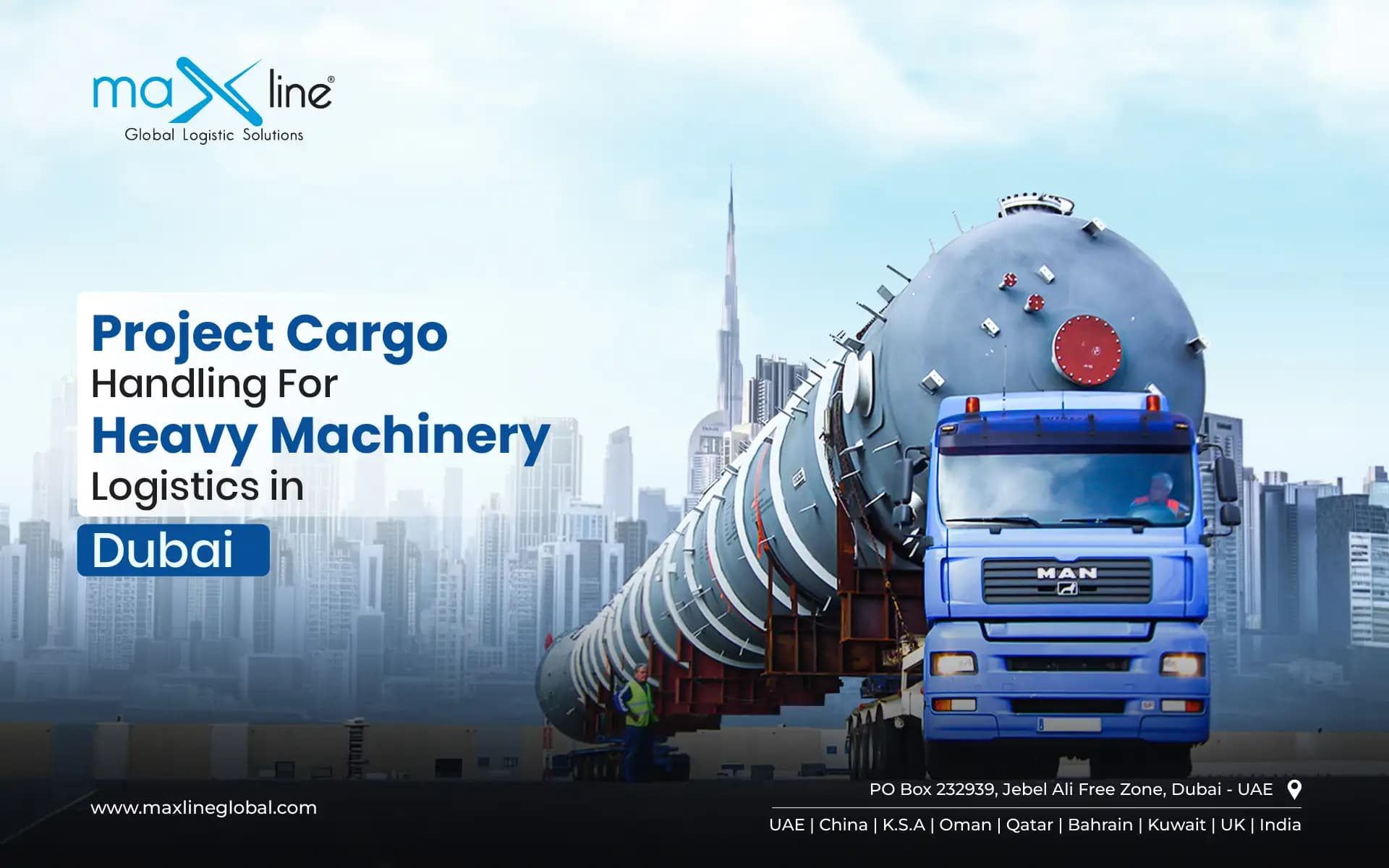
Project cargo handling in Dubai requires engineering precision, security-first execution, and deep compliance knowledge. Transporting oversized turbines, armored systems, oilfield modules, generators, and sensitive defense equipment is not routine freight forwarding. It is specialized project cargo logistics managed with custom packing, route surveys, lifting plans, permits, and tightly coordinated multimodal transport.
In the UAE, organizations rely on Maxline Global for complex project cargo handling in Dubai. The company is widely known as the best logistics company in Dubai handling oil military defense logistics and a dependable partner for high-risk, high-value shipments that demand secure handling and accurate documentation.
These secure handling procedures are executed under standardized operational frameworks aligned with ISO quality management systems and global freight forwarding practices defined by FIATA, ensuring every movement follows internationally accepted logistics and compliance benchmarks.
What Project Cargo Means in Military and Defense Logistics
Project cargo refers to the movement of heavy, oversized, high-value, or complex equipment that cannot be transported through standard freight methods. These shipments require detailed planning, engineered packing, route feasibility checks, special permits, and supervision at every stage.
In military and defense logistics, project cargo can include armored vehicles, radar systems, communication equipment, generators, turbines, oilfield skids, and other mission-critical assets. Each move demands strict compliance with export regulations, customs procedures, and security protocols.
Why Dubai Is a Global Hub for Military Defense Logistics
Dubai's location between Asia, Europe, and Africa makes it a powerful logistics gateway for global project movements. Its ports, airports, road infrastructure, and customs systems are built to support complex cargo operations.
This is why project cargo handling in Dubai is preferred for handling oil military defense logistics. The city offers strong regulatory systems, advanced warehousing, and easy access to global shipping routes, making it ideal for sensitive and oversized shipments.
Secure Handling Methods for Sensitive Equipment
Security and protection are the foundation of military project cargo. Sensitive equipment must be protected from vibration, moisture, impact, and unauthorized access throughout the journey.
Engineered wooden crating, anti-shock packing, moisture control barriers, and reinforced lashing are used to safeguard cargo. Route surveys are conducted to evaluate bridge clearances, road strength, and environmental risks. Secure warehouses with access control and monitoring systems are used before and after transit. Documentation and compliance procedures are managed carefully to prevent delays or penalties.
These processes are standard in the project cargo operations at Maxline Global, supported by dedicated packing and crating solutions and expert moving and lashing services.
Handling Oil Military Defense Logistics with Project Expertise
Oil and defense industries share similar logistics challenges such as heavy-lift requirements, oversized cargo, time-critical delivery, and controlled shipment regulations. Handling oil military defense logistics requires experienced project teams, specialized trailers, cranes, lifting equipment, and coordinated transport planning through land freight and multimodal networks.
Only the best logistics company in Dubai can manage such complexity while ensuring safety, compliance, and timely execution.
Multimodal Transport for Project Cargo Handling in Dubai
A typical project cargo movement may involve sea freight for heavy machinery, air freight for urgent components, and hydraulic multi-axle trailers for land transportation. Escort vehicles, permits, and police clearances may also be required for road transit.
This level of coordination is essential for successful project cargo handling in Dubai and demands an experienced logistics partner with project engineering capabilities. Explore the full range of capabilities on our logistics services page.
Why Maxline Global Is Considered the Best Logistics Company in Dubai
Organizations choose Maxline Global because of its dedicated project cargo engineers, expertise in handling oil military defense logistics, advanced crating and lashing solutions, strong compliance control, secure warehousing, and a global partner network supported by local Dubai execution.
These strengths consistently position the company as the best logistics company in Dubai for complex and sensitive cargo. Learn more about our credentials on the About Maxline Global page.
Risk Management in Military Project Cargo
Risks in defense logistics include delays, cargo damage, compliance errors, and security exposure. Professional project planning reduces these risks through pre-shipment method statements, insurance coverage, on-site supervision, and real-time tracking.
This structured risk management approach is essential for project cargo handling in Dubai.
Customized Planning for Every Project Cargo Movement
No two defense shipments are identical. Each project requires customized lifting plans, packing designs, permit management, route planning, and sequenced scheduling across transport modes.
This tailored execution ensures safe and efficient handling oil military defense logistics without compromise.
Conclusion
Project cargo handling in Dubai for oil, military, and defense equipment demands secure handling, engineered planning, and strict compliance. Partnering with the best logistics company in Dubai handling oil military defense logistics ensures that sensitive equipment reaches its destination safely and on time.
With specialized project teams, secure infrastructure, and proven expertise, Maxline Global continues to be a trusted name for complex project cargo and defense logistics operations.
Start planning your next movement via our Contact Page or request a quote today.
Project Cargo Handling in Dubai: Military, Defense & Oil Logistics FAQs
It is the transport of oversized, heavy, or sensitive equipment requiring engineered planning, special permits, and compliance controls.